
February 5, 2026
‘Real-Time Visibility’ Without Action Is Just Entertainment
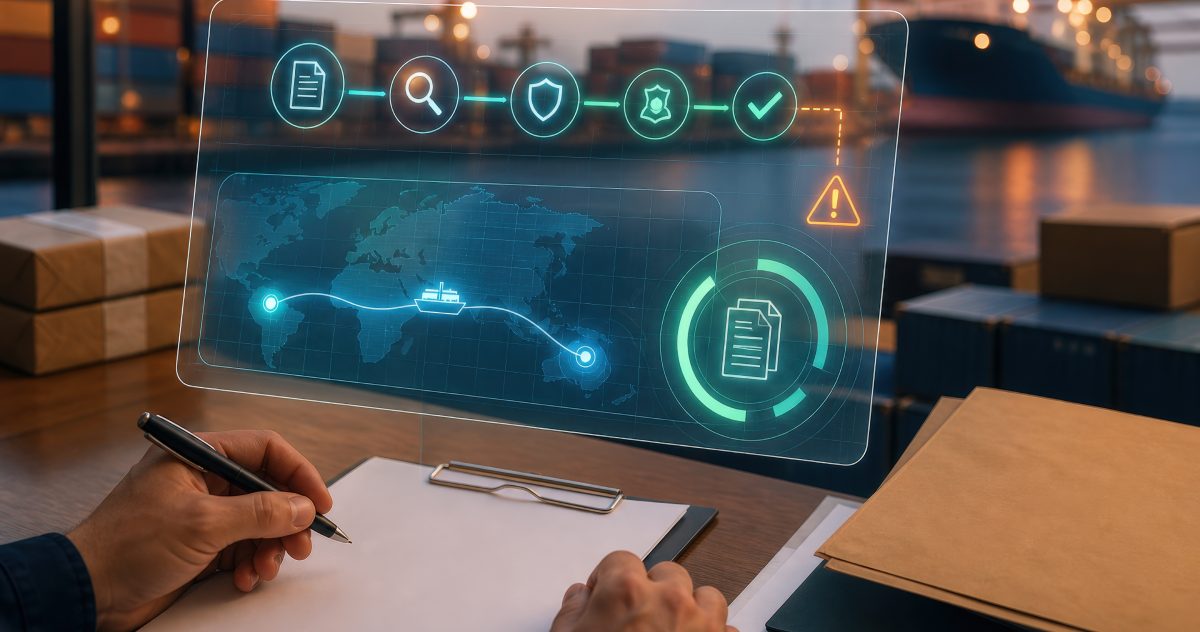
You spent good money on real-time visibility tools. Your team can track every shipment, every container, every truck. The data streams in around the clock, and the dashboards look sharp enough to impress anyone who walks past the logistics office.
But here’s what keeps happening: A shipment stalls, an alert fires, and your people still scramble like they never saw it coming. The tools worked exactly as promised. They showed you the problem. Then everyone stood there watching it unfold anyway.
One could call this “spectating,” and that’s generous. What too many shippers have actually built is expensive entertainment. A live feed of their own disruptions, playing on loop, with no one changing the channel or picking up the phone.
Whether you’re moving lumber, electronics, medical equipment, or consumer goods, the pattern looks the same. Real-time visibility only earns its keep when it triggers action before the damage is done. Let’s talk about what that takes.
Real-Time Visibility Needs a Playbook to Mean Anything
An alert fires. A shipment stalls at customs. A truck breaks down 200 miles from delivery. Now what?
Most teams hit the same wall every time. They see the problem, then burn hours debating the response. Who calls the carrier? Do we reroute? Which backup vendor can handle this? The visibility tool did its job. The humans didn’t have a plan.
Playbooks change that equation. Your team walks into every shift knowing exactly how to respond when specific disruptions hit. When a supplier falls through, they already know the backup and have the contact ready. When port congestion stalls a container, the alternate routing was vetted weeks ago. Nobody waits for permission or holds a meeting. The decision happened before the crisis.
Without playbooks, every alert kicks off a mini fire drill. With them, routine problems get routine solutions. Your real-time visibility investment finally pays off because the data triggers action, not only awareness.
Without Thresholds, Real-Time Visibility Is Nothing But Noise
Playbooks tell your team how to act. Thresholds tell them when to act.
Think about what happens without defined triggers. Your real-time visibility platform pings everyone constantly. Minor delays, small variances, routine fluctuations. They all fire alerts at the same volume. Pretty soon, your team tunes out the whole system, and the warnings that actually matter get lost in the pile.
Smart thresholds solve that problem by letting you define what counts as a real issue for your operation. An ETA slip under six hours might be fine, but beyond twelve hours, you need to know immediately. Inventory at 15% can wait, but 10% triggers the reorder. You draw the lines based on what your business can absorb and what it can’t.
Once those thresholds are set, the system handles triage, and your people only see what genuinely threatens your targets. They stay sharp instead of numb, and your real-time visibility investment starts earning its keep.
Real-Time Visibility Fails Without Clear Escalation Paths
Finally, while thresholds filter the noise, escalation makes sure someone owns the problem.
In other words, a perfectly tuned alert means nothing if it lands in a shared inbox and sits there. Your real-time visibility system flagged the issue. Now, who picks it up? Who has the authority to act? And what happens if they don’t respond fast enough?
Clear escalation paths answer those questions before they become emergencies. When a shipment stalls at port, the system notifies your operations lead immediately. Two hours pass without resolution, and it moves to the director. Still stuck after four hours, and leadership gets pulled in. Every step has a name attached and a clock running.
Without that structure, problems sit in limbo. An overnight clerk spots a stockout risk but has no authority to act and no clear handoff to someone who does. The alert fired exactly as designed, and nothing happened anyway.
Escalation turns visibility into accountability, and accountability turns flagged issues into resolved ones.
How Mallory Alexander Turns Real-Time Visibility Into Action
Playbooks. Thresholds. Escalation paths. You now know what separates useful real-time visibility from expensive background entertainment. The question is whether you want to build all that infrastructure yourself or partner with a team that already has it running.
Mallory Alexander has spent over a century moving freight and solving the problems that come with it. We’ve built the systems, trained the teams, and pressure-tested the playbooks through every disruption imaginable.
Here’s what that looks like when you work with us:
* Unified Real-Time Visibility Platform: Our myMALLORY portals pull every mode, shipment, container, and customs filing into a single dashboard. You won’t toggle between five apps to figure out where your freight is. Bill of lading details, port milestones, order status: It all lives in one place. Spotting exceptions and tracking them end to end gets a lot easier when your data stops hiding in separate systems.
* Configurable Alerts and Dashboards: Your team sets the thresholds that matter to your operation, and the system only pings you when those lines get crossed. No flood of irrelevant notifications. Our analysts work with each customer to fine-tune what triggers an alert, so your inbox stays focused on decisions that need attention. You act on real issues instead of chasing noise.
* Decades of Built-In Playbooks: Storms, strikes, port closures, carrier failures: we’ve handled all of them before. Our operations teams follow standard procedures for common disruptions and train on those scenarios regularly. When an alert fires, nobody debates what to do next. The playbook exists, and we execute it immediately or improvise a solution on the spot.
* Proactive Escalation and Support: Our business analysts and account teams monitor your supply chain daily and push exceptions up the chain until someone resolves them. A container at risk triggers immediate action: We alert you, mobilize the right resources, and start working on the problem. With offices worldwide, your issues get attention around the clock regardless of time zone.
* Training and Continuous Improvement: We train your people on every portal feature so they can build custom reports, run queries, and adjust alerts without waiting on anyone. Webinars, consulting, hands-on support: We make sure your team knows how to squeeze value out of every data point. The more you act on insights, the sharper your playbooks and thresholds become over time.
Stop Watching, Start Winning
Real-time visibility was never the finish line. The dashboards, tracking maps, and live alerts only matter when your team knows how to respond, when smart thresholds filter out the noise, and when clear escalation paths keep problems from sitting in limbo. Without those pieces, you’re just watching a SportsCenter rerun of your own supply chain. You already know how it ends, and you can’t change the score. But the good news is you can build a system that lets you change the outcome before it’s final.
That’s exactly what we at Mallory Alexander help shippers do every day. Our myMALLORY platform delivers the real-time visibility you need, and our people bring the playbooks, experience, and authority to act the moment something goes sideways. We’ve spent over a century learning what can go wrong in global freight and building the processes to fix it fast. Your data hits our dashboard, our team jumps on exceptions, and problems get resolved before they snowball into costly disasters.
Ready to make your visibility count? Contact Mallory Alexander today and put your supply chain data to work.
Back
When you sign up for our mailing list, you will receive industry news and the latest supply chain updates.

Please fill out the form and a Mallory Alexander customer service representative will contact you.
Your submission has been received, and our team will reach out soon.

.svg)