

April 17, 2026
Iran War News: Supply Chain Risks and Freight Impacts
Executive Summary
The military headlines may be cooling, but the logistics disruption is not. Air cargo capacity remains tight, Strait of Hormuz traffic is still far below normal, U.S. trucking is absorbing fuel shock, and sanctions risk is rising again. For manufacturers, retailers, and suppliers, this is now less a regional story than a network-design, compliance, sourcing, and cost-control story that needs active management right now.
Intro
The latest Iran war news is handing shippers a split screen, and neither side matches the other.
The diplomatic track looks encouraging on paper. The April 8 ceasefire holds for now. And the Strait of Hormuz is now allegedly open for business.
But look at your operations screen. JMIC still rates the Arabian Gulf, Strait of Hormuz, and Gulf of Oman at critical. Strait traffic sits at a fraction of baseline. Washington just stacked fresh sanctions and secondary sanctions warnings on top of the military pressure.
Two different stories, one P&L.
So here we are, another weekly update on a conflict that changes by the hour amid a nonstop news cycle.
Air: Capacity Tight, Fuel Tighter
Air freight still moves, just not on the terms you budgeted for. Capacity to the Middle East has not recovered, jet fuel supply is the new wild card, and urgent-freight quotes are arriving with sticker shock attached.
- Capacity Has Not Snapped Back: Reuters put Middle East air cargo capacity down more than 50% year over year across the last two weeks. Xeneta has regional capacity roughly 30% below pre-conflict levels, and March spot rates hit their highest point since December 2024.
- Fuel Is Now Part of the Air Cargo Story: Europe pulls about 75% of its jet fuel imports from the Middle East. EU officials are drafting emergency measures, and airlines are already warning that fuel tightness will pressure schedules, pricing, and recovery timelines into late spring and early summer.
- Urgent Freight Is Getting Repriced Fast: Long-term air cargo rates from Vietnam to Europe have nearly doubled to $6.27/kg. One forwarder reported a customer even paid five to six times more to move oilfield equipment by air and truck after an ocean booking fell through.
- Hub Choice Matters More Than Usual: Dubai, Doha, and regional transshipment points are absorbing rerouted volume unevenly. The hub that worked for you in February may not be the one quoting you the best transit today.
- Lead Time Assumptions Need A Rewrite: Pre-conflict pad times are too thin for what carriers are working with right now. Build extra buffers into air plans through Q2, or expect your expedited budget to do the buffering for you.
Ocean: Hormuz Still Running Hot
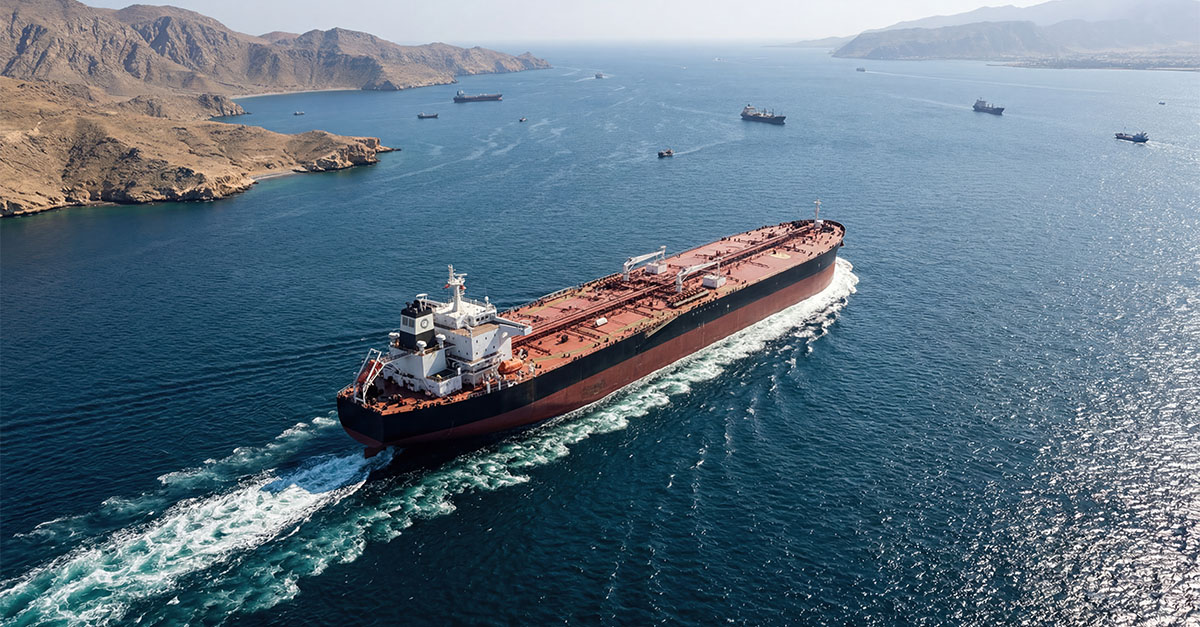
Allegedly, the Strait of Hormuz is now “open.” However, take that headline with a grain of salt. The policy picture keeps moving and your Middle East ocean transit decisions deserve fresh eyes hour by hour.
- Hormuz Is Still the Center of Gravity: No matter what overly optimistic headlines hit, JMIC holds the regional maritime threat at critical and has logged 29 confirmed attacks, incidents, or suspicious activities since March 1.
- Ceasefire Headlines Jump the Gun: JMIC also reports no meaningful traffic rebound, especially compared to the historical daily average of around 138 ships. Anchorages are congested, shipowners lack clarity on transit protocols, and advisories still flag aggressive bridge-to-bridge hailing, alternative routing, and mines in the Strait.
- The Policy Signal Changed Again This Week: The U.S. naval blockade of Hormuz concentrates on ships entering or leaving Iranian ports. However, Iran has floated a conditional safe-exit proposal through Omani waters if a broader deal lands.
- Surcharges Are Back on the Table: War risk premiums, Gulf-related accessorials, and bunker adjustments are creeping back into carrier quotes for anything touching the region. Read the fine print on new bookings.
- What to Tell Cargo Owners This Week: Drewry sees no Covid-style capacity collapse across non-Middle East container lanes. Gulf-connected routes stay volatile, and bunker pressure still hits rate sheets. Most of your ocean book is fine, but the Gulf exposure inside it needs active routing and surcharge management.
Domestic: Fuel Pain Lands Stateside
Thinking that the Iran story is parked overseas is naive. Diesel records, rerouted Asia-Europe freight touching U.S. ports, and tighter margins across the board mean your domestic plan needs a fresh look ASAP.
- The War Reaches U.S. Networks Through Fuel First: Even though oil prices fell (more on that below) following news of the Strait of Hormuz reopening, the national average U.S. diesel price sits at $5.52 per gallon, a record high for truckers. Small carriers and owner-operators are taking the hardest hit, which means capacity at the spot end of your network is the most exposed.
- Routing Changes Abroad Create Pressure At Home: Some Asia-Europe cargo is moving sea-air through Los Angeles right now. The Port of Long Beach has signaled it could see a bump if Gulf disruptions hold. Your warehouses, transload points, drayage providers, and airport handoffs can all get pulled into the workaround.
- A Margin Story, Not a Transit Story: The Fed’s Beige Book has firms moving into wait-and-see mode as energy and input costs climb. Transportation budgets, surcharge policies, and inventory prioritization deserve a review.
- Fuel Surcharges Need a Real Conversation: Carrier FSCs reset on lagging indexes, so your invoice next week will reflect the diesel pop you already paid for. Talk to your providers now about timing, caps, and how spot moves get priced before the surprise hits.
- Capacity Pockets Are Showing Up Where You Least Expected: Drayage at LA/LB, Midwest reefer, and Southeast dry van are all moving in different directions week over week. Pull a fresh capacity read from your core carriers before you commit volume, because last month’s lane health does not predict next week’s.
Trade Compliance and Sanctions: The Rules Moved Again
OFAC ran a fresh update on April 15, a secondary-sanctions waiver will expire on April 19, and BIS export controls on Iran have not loosened a single degree. Your compliance team cannot work off last month’s screening run.
- Sanctions Tightened Again on April 15: OFAC posted new Iran-related designations, and Washington put buyers of Iranian oil on notice that secondary sanctions are coming once the temporary waiver expires on April 19.
- Counterparty Screening Needs To Be Dynamic: The April 15 update added multiple companies and vessels to the SDN list, including tanker assets and shipping-linked entities. Screening cannot stop at the direct seller or carrier. Review vessel history, ownership chains, routing, and financial touchpoints.
- Maritime Evasion Risk Has Been Called Out Clearly: OFAC’s Iran sanctions page flags specific guidance for shipping and maritime stakeholders on spotting Iranian oil sanctions evasion. Documentation discipline, AIS anomalies, unusual routing, and opaque intermediaries are being aggressively enforced.
- Exports Need a Fresh Review Too: BIS guidance under EAR Part 746 still requires a license to export or reexport most Commerce Control List items to Iran. Any U.S.-linked exporter with Middle East exposure should recheck classification, end use, and diversion risk.
- Documentation Discipline Is Your Cheapest Insurance: Clean bills of lading, verified end-user statements, and traceable payment trails are your best bets for protection when an audit shows up.
Input Markets and Sourcing: The Price Tag Is Still Moving
Finally, input markets and sourcing are where this conflict stops being a freight problem and starts being a balance sheet problem.
- Energy Still Sets the Tone for Everything Else: Following the news about the Strait “reopening,” oil prices plunged 10% on April 17. But this volatility is not over yet. Diplomacy may yet win the week, but physical tightness keeps feeding into freight, packaging, chemicals, and plant operating costs.
- Fertilizer and Agriculture Are Quietly Becoming a Bigger Story: Nitrogen fertilizer prices in Europe now sit 58% above 2024 averages as Hormuz disruption seeps into fertilizer trade. Food, packaging, and industrial planning all feel those upstream costs, even when nowhere near the Gulf.
- Petrochemicals and Plastics Need a Watch List Spot: Iran reportedly halted petrochemical exports indefinitely. A big deal considering Iran typically ships about 29 million tons of petrochemical products worth roughly $13 billion a year. Resin buyers, packaging-input buyers, and chemical intermediate buyers should treat that as a real sourcing signal.
- Metals Are Part of the Risk Conversation Too: Reuters reported the conflict could push the global aluminum market into a deficit of up to 4 million metric tons in 2026. Electronics, medical device, industrial, and consumer goods makers still lean on stable metal supply and predictable energy costs, and both assumptions are now in play.
- Inventory Policy Deserves a Same-Week Review: Safety stock targets written for 2024 conditions will not hold under 2026 pricing and lead times. Pull your buy calendar forward on exposed inputs, and talk to your 3PL about storage flex before the next round of Iran war news moves the market again.
The Takeaway: Steady Hands Beat Loud Headlines
Headlines will keep moving. But no matter what, your freight still has to arrive, your customs files still have to clear, your inventory still has to hit the dock on time, and your team still has to make decisions before Monday. None of that pauses for a news cycle. Coming through this stretch in good shape means trading reactive moves for a steady plan, and picking partners connected to the market instead of the noise.
The latest Iran war news is putting real pressure across air, ocean, domestic transportation, and sourcing, but shippers don’t have to handle it alone. Mallory Alexander helps businesses stay ahead of disruption with integrated freight forwarding, warehousing, transportation coordination, and practical trade-compliance support.
If your team needs help with pressure-testing routes, managing cost exposure, or building a more resilient shipping plan, we’re here for you.
Back
When you sign up for our mailing list, you will receive industry news and the latest supply chain updates.

Please fill out the form and a Mallory Alexander customer service representative will contact you.
Your submission has been received, and our team will reach out soon.

.svg)