
April 22, 2026
What Is an Ocean Freight Forwarder (And Do You Need One)?
Executive Summary
Ocean freight has become a lot less forgiving. Route instability, canal pressure, blank sailings, fuel volatility, and customs complexity are all colliding at once. That is exactly why the role of an ocean freight forwarder matters more now than it did in calmer markets. This article explains what an ocean freight forwarder actually does, how to tell whether your shipping program needs one, and where Mallory Alexander fits for shippers that need ocean execution tied to compliance, drayage, warehousing, and final delivery.
Intro
“Ocean freight forwarder” is one of those job titles that means something slightly different depending on who you ask. Some shippers think of them as a booking agent. Others picture a customs person with a bigger desk. A few only think of them as the people you call when a container goes missing, and the carrier stops answering emails.
All partly right. But the question of whether you need one has gotten harder this year, not easier.
You live it every day. The Strait of Hormuz has been functionally shut to commercial container traffic since February. Rates from Asia to the West Coast are up around 40% since winter, surcharges keep appearing on lanes that have nothing to do with the Middle East, and carriers blank sailings whenever the numbers stop working for them.
Your shipment still has to move. Your customer still wants it on the date you promised. Somebody on your team is holding the whole thing together across four vendors and a tracking portal that lies.
So what does a forwarder really do, and do you need one? Depends on what you ship, how often you ship it, and how much of this your team can absorb before something goes wrong. Let’s get into it.
What Is an Ocean Freight Forwarder?
Start with what a forwarder is not: the company that owns the ship.
An ocean freight forwarder arranges the movement of your cargo. They book space with carriers, handle the export and import paperwork, and coordinate the handoffs between terminals, truckers, and customs brokers. The Federal Maritime Commission licenses them and requires proof of financial responsibility, which is how you tell a regulated intermediary from someone with a laptop and a business card.
Think orchestrator, not ship owner. Your forwarder sits between you and a network of carriers, ports, and inland handoffs that moves faster in 2026 than most shipping departments can track on their own.
Do I Need One in the First Place?
You might not. Shippers book directly with carriers all the time, and for steady volumes on predictable lanes with a team that has room to handle the occasional fire drill, it works.
The problem is steady and predictable are not words describing ocean freight right now.
The hour your ops manager spends rebooking a rolled container is an hour not spent on the job you hired them for. And exactly where a forwarder becomes the control layer holding the program together.
Three situations tend to force the call.
1. When Bookings Turn Into Full-Time Operations Work
Volatility has a specific look in 2026: reroutes, blank sailings, rolled bookings, and bunker surcharges that appear mid-quote. Drewry pegs blank sailing cancellation rates near 9%, concentrated on transpacific eastbound, and schedule reliability sits well below what your planners are modeling against. Missed launches. Slipped PO dates. Quiet demurrage fees that eat into the margin by the container. A forwarder earns its fee on exception management alone.
2. When Documentation and Customs Are Creating Avoidable Risk
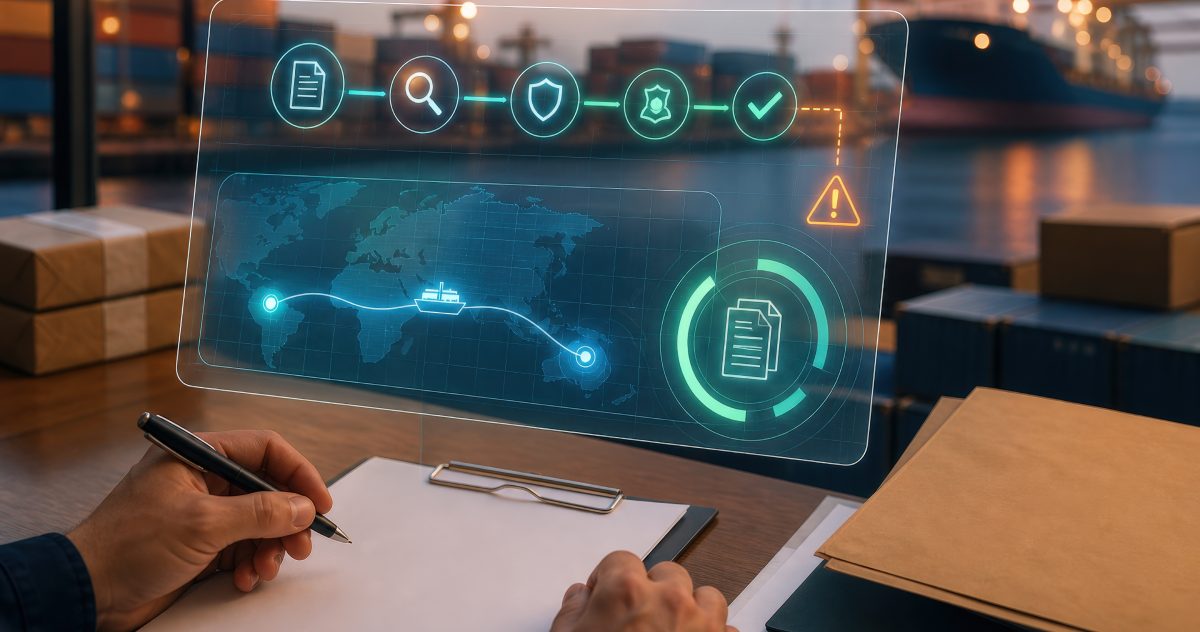
Ocean freight is paperwork, filings, customs timing, port releases, drayage, and delivery stacked on top of a water move. Tariff exposure, classification pressure, and documentation scrutiny are all tightening at once. One filing error can erase whatever you saved by keeping it in-house. If customs and freight execution live in separate silos today, you already have your answer.
3. When Your Shipment Doesn’t End at the Port
Most importers don’t need ocean booking. They need the full move from supplier origin through drayage, clearance, storage, transload, and domestic delivery. Programs rarely fail at the vessel. They fail at the post-discharge handoff. Beyond the Hormuz bottleneck, Panama capacity is tight, Red Sea reroutes still distort networks, and downstream coordination carries weight it didn’t two years ago. If your business measures success by shelf availability or OTIF, you’re buying end-to-end execution, not ocean freight.
Where Mallory Alexander’s Ocean Freight Ops Fit
At this point, you’re likely thinking one of two things. Either “I need a forwarder” or “the one I have isn’t doing this.” Both lead to the same next question: Who actually operates this way?
At Mallory Alexander, we run ocean freight as a connected program, not a booking line. Over 100 years of operating history, 31 locations worldwide, and more than 2 million square feet of U.S. warehouse space sit behind every container we move.
The point isn’t the footprint, though. The point is that the footprint lets us own the shipment from origin through final delivery without handing you off to three other vendors to finish the job.
- End-to-End Ocean Coordination: We manage carriers, ports, drayage, customs, and downstream transportation as one plan. Your shipment moves through a single accountable team instead of a relay race between four phone numbers.
- FCL, LCL, and Breakbulk Capability: Full container, less-than-container, and breakbulk all live under the same roof. Shippers with mixed profiles or nonstandard cargo don’t have to split their program across specialists who each only handle part of it.
- Port-to-Inland Execution: Ocean moves tie directly into drayage, customs brokerage, domestic transportation, and warehousing. That continuity is what keeps demurrage fees off your invoice and containers from parking at the terminal waiting for someone to claim them.
- Visibility and Exception Management Through myMALLORY: Our myMALLORY platform gives you real-time shipment tracking, milestone updates, proactive alerts when something changes, and centralized document access. When routes and schedules move around, you see it before your customer does.
- A Track Record of Reworking Broken Programs: One client recovered $1 million annually after we re-engineered their port, drayage, and container strategy. Soft-margin environments make that kind of recovery the difference between a decent quarter and a painful one.
One Partner, One Plan, One Fewer Fire to Put Out
A calmer market lets you treat ocean freight forwarding as optional administrative help. But these days, we’re not in that kind of market. Routes are unstable, schedules are soft, costs move week to week, and compliance decisions now land on freight execution in real time. Your ocean freight forwarder stops being a vendor handling paperwork and starts being part of how your business operates.
Mallory Alexander fits shippers who want one partner across ocean freight, customs, drayage, warehousing, domestic transportation, and visibility. The alternative is coordinating five providers under pressure and hoping the handoffs hold. They usually don’t.
If your team is reevaluating its ocean strategy, pressure-testing routes, or trying to cut handoff risk between the port and final delivery, contact Mallory Alexander to talk through our ocean freight capabilities and integrated logistics support.
Back
When you sign up for our mailing list, you will receive industry news and the latest supply chain updates.

Please fill out the form and a Mallory Alexander customer service representative will contact you.
Your submission has been received, and our team will reach out soon.
.svg)