

September 15, 2026
Section 338 Expanded September 15: The 122 New Codes Aren’t the Expensive Part
Executive Summary
On September 15, 2026, at 12:01 a.m. ET, the Section 338 tariff on Canadian goods expanded to include 122 HTSUS classifications, with steel and aluminum goods in the alcohol and motor vehicle sectors losing their exemption. Starting September 29, certain Canadian alcohol, dairy products, and motorcycles will be banned from entry. Importers must review their codes and manage their entries within two weeks to ensure compliance with these changes.
Intro: What Happened at 12:01 a.m.
Gouda is now part of a liquor dispute, and bedside lamps are somehow caught up in a fight over cars. After several weeks of Section 338, that barely qualifies as weird anymore.
Since August 22, certain Canadian goods have faced an extra 50% duty under Section 338 of the Tariff Act of 1930. The first three proclamations targeted alcohol, dairy, and autos. Then the annexes showed up with honey, plywood, hockey sticks, and plenty else that seemed to wander in from another argument, as we wrote at the time.
Now there are five more proclamations. Two changed the tariff lists September 15. Three more start banning certain Canadian goods on September 29.
Most of the attention has gone to the 122 tariff lines that changed, which is fair enough. Importers need to know whether their products made the list. But truth be told, that isn’t the part of these new actions we’d be watching most closely. A provision buried a little deeper could end up costing importers far more than the tariff changes themselves, and that’s where this gets interesting.
What Changed Under Section 338 on September 15, 2026?
At 12:01 a.m. ET, CBP added 122 HTSUS classifications to the Section 338 list and removed 10 (CSMS #69851916). Every new line went under either alcohol or motor vehicles. Dairy, somehow, was the quiet one.
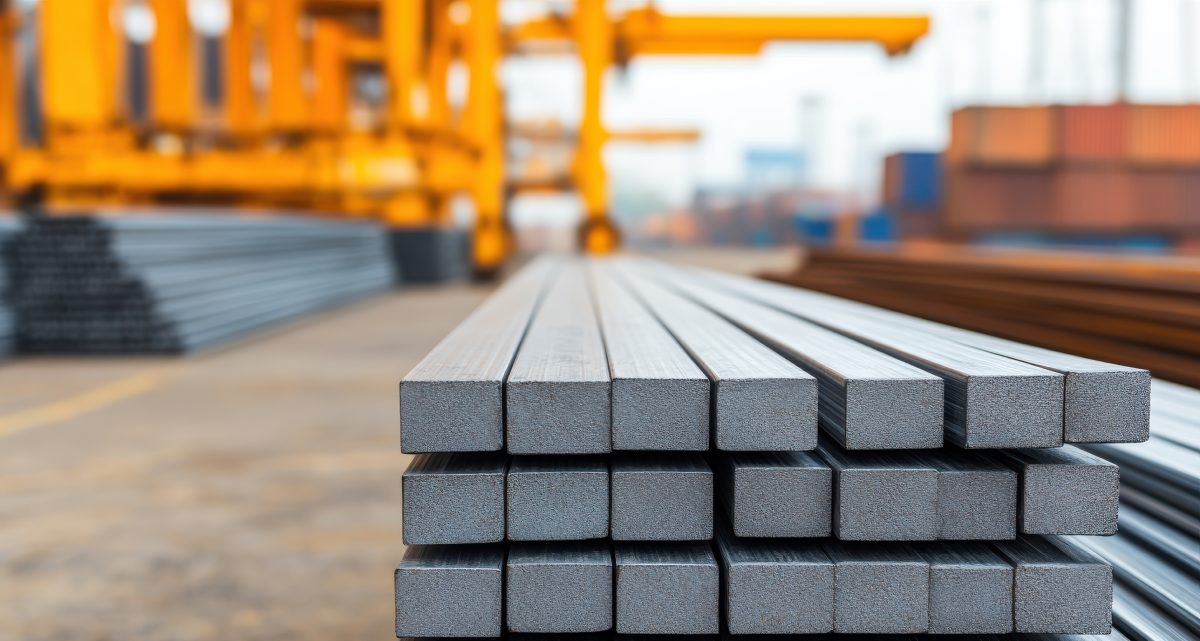
The alcohol list now reaches Swiss, cheddar, and blue cheese, plus hides and upholstery leather. The auto list wandered even further, picking up graphic paper, structural steel, aluminum tubing, welding rod, golf carts, rattan chairs, mattresses, and bedside lamps.
Ten classifications came off, including rock salt, Portland cement, fishing rod parts, and some whiskey.
The part worth remembering is less funny: CBP follows the eight-digit HTS classification, not common sense. If your bedside lamp sits on the auto list, CBP isn’t going to debate whether it has an engine.
Does Section 338 Stack With Section 232 Now?
Yes, and this is where the September changes get expensive.
In August, products already paying Section 232 were spared the extra Section 338 duty through a 0% carve-out. The September 8 proclamations kept that protection for dairy but removed it from the alcohol and vehicle lists. As of midnight, qualifying steel and aluminum can now get hit by both.
Take a $180,000 load of Ontario aluminum extrusions. Section 232 already adds $90,000 after April’s changes moved the 50% duty to full customs value. Section 338 can now add another $90,000.
That turns a $180,000 shipment into $360,000 before the ordinary duty rate even enters the picture.
Our brokerage team has spent the week talking with fabricators and fixture buyers who never imagined a metal SKU could end up paying for a whiskey dispute. Now it can, and Section 232 may still be only one layer of the stack.
Does USMCA Still Matter Under Section 338?
Yes, and after watching Section 338 pile on top of Section 232, this is one of the few places where the stack can still get lighter.
USMCA won’t touch the 50% Section 338 duty. If your product is on the list, you’re paying it. But a valid USMCA claim can still wipe out Canada’s separate 10% Section 301 forced-labor tariff. Section 232 goods get that same exemption, while AD/CVD keeps doing its own thing.
That turns the practical question into a simple one: Is the USMCA paperwork still worth chasing? If it keeps a 50% entry from becoming 60% plus MFN, absolutely.
The filing sequence still matters too. Our July breakdown walks through it, and our trade compliance team can make sure the stack is right before CBP does the math for you.
What Gets Banned From Canada on September 29?
USMCA can still save 10 points. Two weeks later, though, some Canadian goods stop having a tariff problem and start having a “you can’t import this” problem.
At 12:01 a.m. ET on September 29, the ban covers:
- Alcohol: Malt beer; sparkling, effervescent, Tokay, Marsala, and other grape wines; vermouth; cider; prune wine; sake/rice wine; other fermented beverages; beverage ethyl alcohol; pisco; singani; grape brandy; Scotch and Irish whiskey; bourbon; rye and other whiskey; rum; tafia; gin; Geneve; vodka; liqueurs; cordials; bitters; slivovitz; other brandy; tequila; mezcal; and other beverage spirits. Some HTS lines apply only when packaged for direct consumption.
- Whey: Whey protein concentrate, modified whey, fluid whey, and dried whey.
- Molasses: Invert molasses, cane molasses, and other molasses.
- Non-Alcoholic Beer.
- Motorcycles and Mopeds: Models with reciprocating internal-combustion engines over 800 cc.
The useful wrinkle is timing. Covered goods imported before September 29 but not yet entered for consumption can still enter at the 50% Section 338 rate. After midnight, that option disappears.
What Should Importers Do Between September 15 and September 29?
Start with the code, not your gut. The September 15 list is already pricing entries, and the product categories are about as helpful as a blindfold. Cheese and desk lamps made it. Rock salt and cement didn’t. Nobody’s instincts are good enough to freestyle this.
The list we’re working through with clients:
- Check every Canadian-origin eight-digit subheading against CBP’s published list.
- Flag anything on the ban lists that can still enter before the 29th, and move it.
- Admit covered FTZ merchandise under privileged foreign status (19 CFR 146.41) unless it qualifies as domestic.
- Confirm Chapter 98 treatment, and remember these duties are drawback-eligible.
- Rebuild landed cost by SKU with the whole stack.
- Keep every entry document. Section 338 has never been litigated; a challenge is expected, and importers who documented IEEPA entries were paid first when CAPE opened.
If your team audited classifications in the spring, this is the updated version of that exercise with a new list.
How Mallory Alexander Helps Importers With Section 338
By now, the pattern is pretty clear: Section 338 doesn’t care whether a product sounds like it belongs in a liquor, dairy, or auto dispute. CBP cares about the code, the entry, and the stack of duties attached to it.
That’s the part we handle at Mallory Alexander.
Our trade management team works through your Canadian SKUs line by line, figures out what changed, what each entry actually costs, and where Chapter 98, FTZ treatment, or drawback can still help. If something needs to cross before September 29, our licensed brokers and truck and 4PL teams can help get it there, while myMALLORY keeps the moving pieces in one place.
We’ve been clearing freight for 100 years, so strange trade rules don’t scare us. Expensive surprises at the border do.
If you’ve got Canadian freight moving this month, talk to our customs brokerage and trade compliance teams or call 1-800-257-8464. We’ll tell you what the code says, what the entry costs are, and what you can still do about it.
Back
When you sign up for our mailing list, you will receive industry news and the latest supply chain updates.

Please fill out the form and a Mallory Alexander customer service representative will contact you.
Your submission has been received, and our team will reach out soon.

.svg)