October 29, 2026
What Is a 3PL and When Should You Use One?
Executive Summary
What is a 3PL? It’s a company you hire to run some or all of your logistics, from booking ocean, air, and truck freight to warehousing and customs brokerage. A 3PL earns its fee in three situations: when your volume swings, when tariffs keep rewriting your landed cost, and when a route like the Strait of Hormuz shuts down. If you ship one steady domestic lane, you can probably keep your money and skip it.
Intro
A 40-foot container from Shanghai to New York cost $10,075 on October 15, according to Drewry’s World Container Index. That’s used-car money for one box, and about triple the $3,236 the same trip cost a year earlier.
Add the Strait of Hormuz, closed to most commercial ships since late February, and a tariff schedule that’s shifted under importers at least twice since the Supreme Court threw out the IEEPA duties. It’s no surprise finance keeps sending the same question down the hall: What is a 3PL, exactly, and should one be running this?
We’re a 3PL, so weigh our answer the way you’d weigh a barber’s opinion on whether you need a haircut. Still, the honest version for a manufacturer, retailer, or supplier includes the cases where you don’t need one, and we’ll get to those too.
What Is a 3PL?
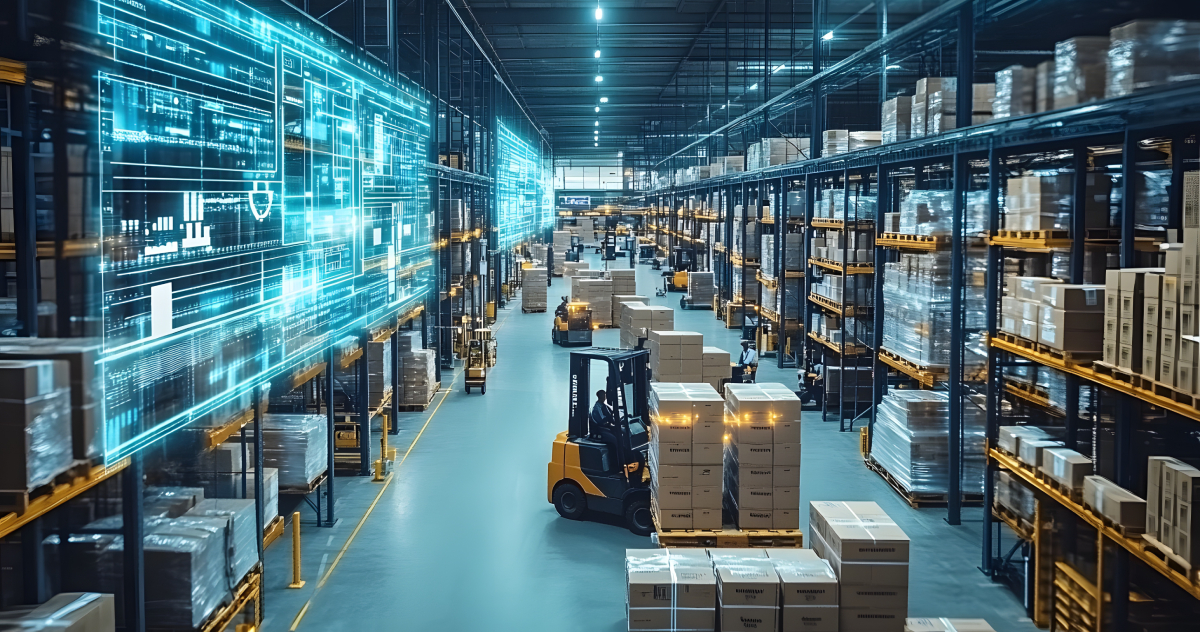
A 3PL, or third-party logistics provider, is a company you pay to run some or all of your logistics. That can mean booking ocean, air, and truck freight, running warehouses, filing customs entries, and calling the trucker when the driver doesn’t show. You keep the goods and the customer, and the 3PL keeps the 2 a.m. phone calls.
The name sounds like a tax form, but it’s a headcount of who touches your freight. You’re the first party, the carriers are the second, and the 3PL is the third. A 4PL sits a rung higher and runs the whole network, sometimes including other 3PLs.
Plenty of shippers hire a freight forwarder, customs broker, and warehouse, which works until a container vanishes and the forwarder blames the broker, the broker blames the warehouse, and the warehouse swears the paperwork never showed up. A full-service 3PL owns all three jobs, so there’s one number to call and nobody to point at.
When Should You Use a 3PL?
Use a 3PL when running logistics yourself starts costing more than paying someone else to do it. Some of that cost shows up on invoices, and some of it shows up as your best coordinator spending a week on hold with a steamship line. That math has gotten popular: U.S. 3PLs took in $323.4 billion in 2025, according to Armstrong & Associates.
It tends to tip in three situations, each covered below. A company shipping one steady domestic lane, run by a traffic manager who knows every dock door by name, can usually skip all of this and spend the money somewhere better.
When Your Volume Won’t Sit Still
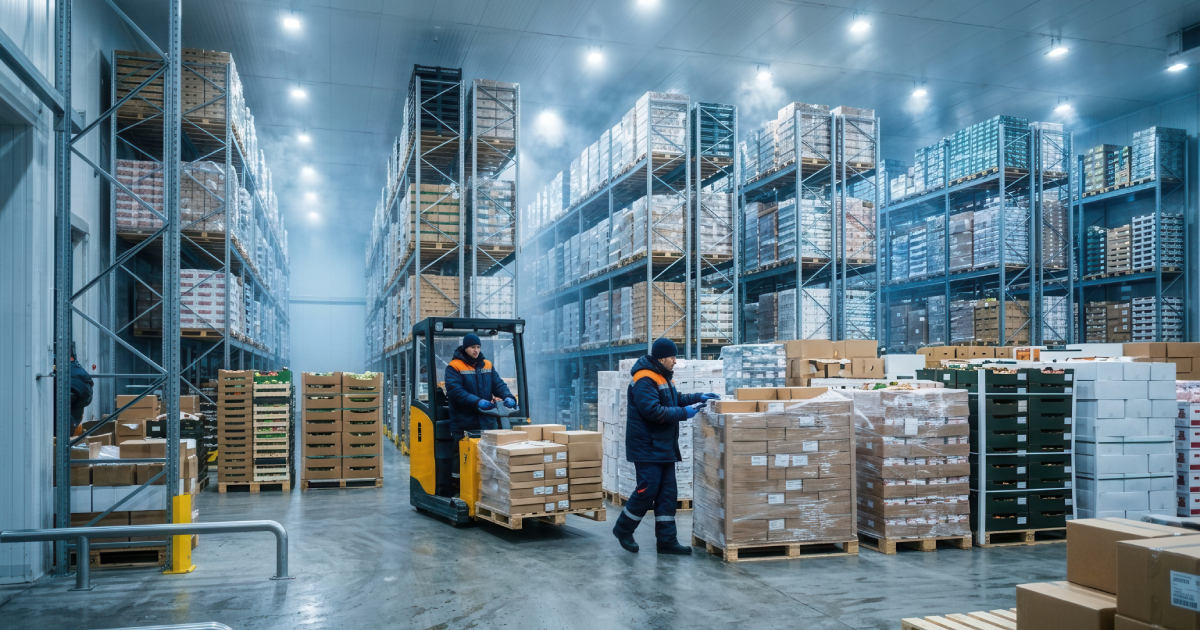
Warehouses get built for December and paid for in March, which is the whole case for a 3PL when seasons, launches, or store rollouts make your volume swing. Size your own building for a peak that runs 40% above your average month, and about 29% of it sits empty on a normal day while you pay rent on air.
A shared 3PL warehouse turns your slow season into somebody else’s busy one. You pay for what you use, plus a peak premium in the fourth quarter like everyone else, and the empty racks stop being your problem. Mallory built Beeline’s distribution around that kind of swing as the jewelry brand grew from 800 retail locations to more than 9,000.
Steady, heavy volume is the exception. A company moving the same flow every week of the year usually does better in a dedicated building, run in-house or by a 3PL, and nobody should sell it a shared one.
When Tariffs Keep Rewriting Your Landed Cost
You need a good customs broker regardless, since your name is on every entry as importer of record and CBP isn’t impressed by “my broker said so.” A 3PL helps when that broker sits next to the people moving your freight, so a duty change lands in your costing before the container lands in Savannah.
Take the IEEPA refunds. After the Supreme Court struck those tariffs down in February, CBP accepted about $136.6 billion in refund claims by October 2, easily the nicest tariff news of the year. Your broker can file the claim, but nothing moves until you’ve set up ACH refunds in ACE.
Then there’s Canada. Certain Canadian goods have owed a 50% Section 338 tariff since August 22, and on September 15 CBP added 122 more product codes, including graphic paper and, yes, mattresses. Listed steel and aluminum can owe Section 232 on top, so a $180,000 load ends up at $360,000 before regular duty.
When a Closed Shipping Lane Can Strand Your Freight
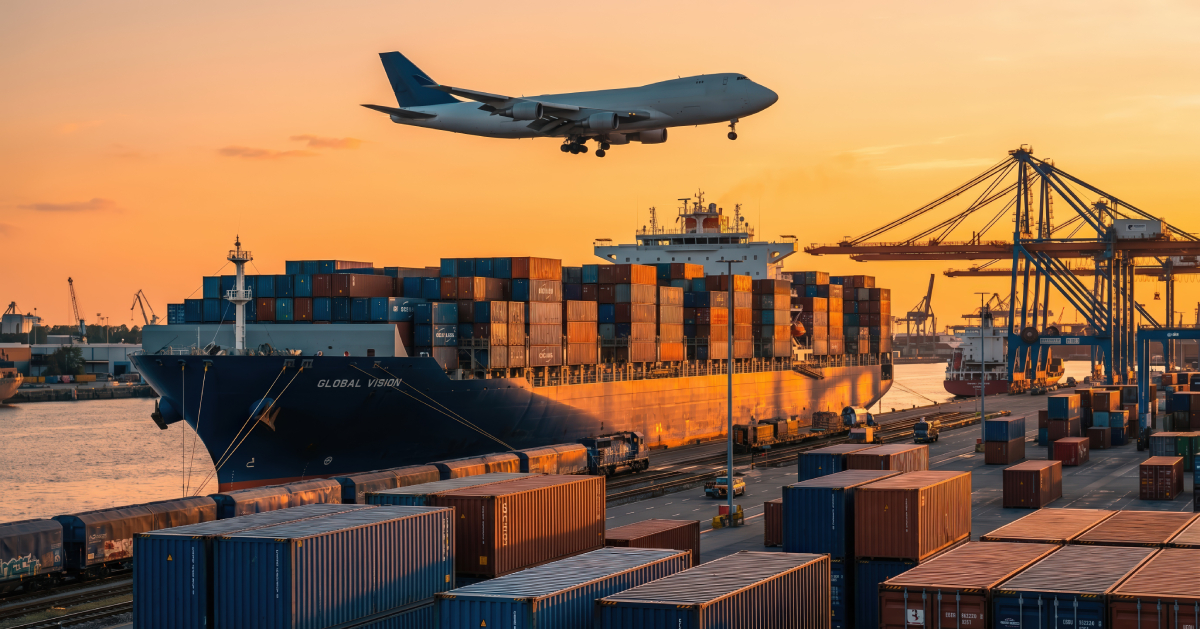
A 3PL’s value in a disruption is options. A good one can rebook with another line, route through a different port, or fly the urgent pallets and let the rest ride the ocean, while a shipper holding two direct contracts learns how few options it has when both carriers stop answering.
Ask anyone with freight bound for Jebel Ali how this year went. Hormuz has been closed to most commercial ships since February 28; five of the nine biggest container lines have halted Gulf service, and attacks on ships picked up again in October.
Flying around it hasn’t been cheap, either. The Iran war took about 12% of global air cargo capacity offline, and Hong Kong to North America rates ran 31% above last year in September.
So line up a 3PL before you need one. When space gets tight, carriers favor accounts they already know, and nobody hands the last slot on a sailing to a stranger.
What Mallory Alexander Would Do With Your Freight
We’ve been somebody’s 3PL since 1925, when we started in Memphis storing and handling cotton for local businesses, decades before anyone thought to call it third-party logistics. Today Mallory Alexander International Logistics runs 31 locations and a licensed customs brokerage, and Inbound Logistics has put us on its Top 100 3PL Provider list since 2005.
We’d rather be early than impressive. On May 29, with carriers piling $600 to $2,000 per container in surcharges onto June bookings, we told ocean shippers to lock in space. Shanghai to New York was $4,597 that week, and it’s more than doubled since.
Each situation in this piece already has a crew here. Our warehouses and trucks absorb the swings, and our brokers and trade compliance people handle the tariff mess. They’re the ones who caught a truck maker’s imported parts filed under steel headings they didn’t belong in, which is a very satisfying thing to catch.
When a lane shuts, our ocean, air, and multimodal teams reroute the freight while you watch it move in myMALLORY. So send us the invoice that made finance ask the question, and we’ll tell you which of the three situations you’re in and what we’d change first.
Back
When you sign up for our mailing list, you will receive industry news and the latest supply chain updates.

Please fill out the form and a Mallory Alexander customer service representative will contact you.
Your submission has been received, and our team will reach out soon.